
Your Home, Your Responsibility: The First Line of Defense is You
We often imagine our homes as impenetrable sanctuaries, assuming that the broader forces of law enforcement and community watch are solely responsible for our safety and defense. But the reality is more direct: our homes are only as secure as the attention we pay to them. While societal systems provide a crucial reactive framework, they cannot be everywhere at once. This makes it a critical duty for every individual to take primary responsibility for their home security, cultivating a proactive awareness of potential threats. This mindset isn’t about paranoia—it’s about prudence. It’s the conscious understanding that true personal safety begins with personal action.
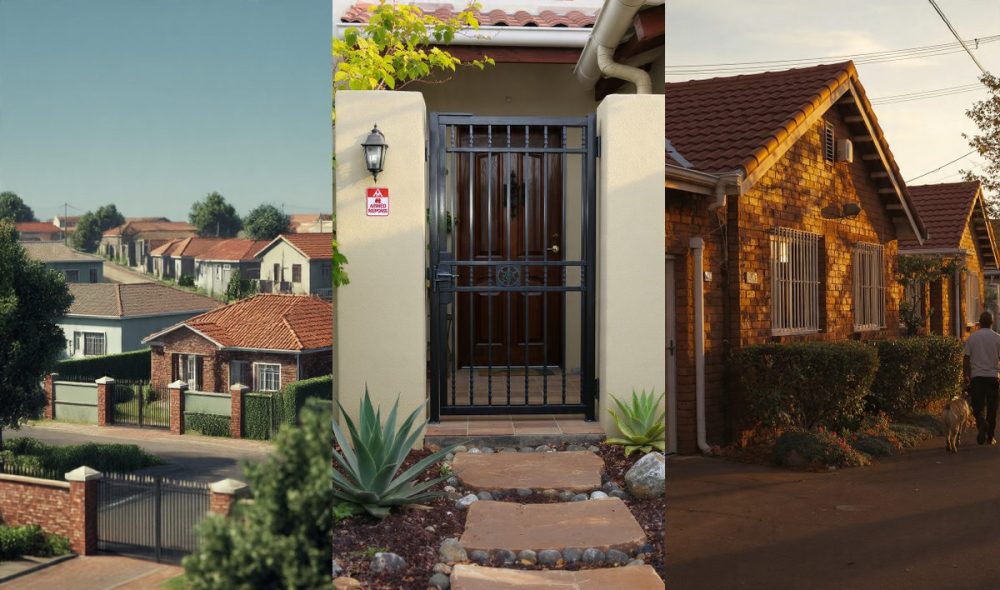
Why Proactive Security is Non-Negotiable
Understanding why you are your own best defender is the first step. Relying solely on external help is a strategic flaw for three key reasons:
-
You Bridge the Critical “Response Gap”: Police response times, however swift, are never instantaneous. In those crucial minutes between a threat emerging and help arriving, the security measures you have in place—from a simple locked door to a well-lit yard—become your first and most important line of defense.
-
You Are the Ultimate Deterrent: The vast majority of burglaries are crimes of opportunity. Criminals target properties that appear unoccupied, accessible, and inattentive. By demonstrating that your home is cared for and secure, you significantly reduce the likelihood of being targeted in the first place.
-
You Reclaim Power and Peace of Mind: Taking responsibility is an empowering act. It transforms you from a passive potential victim into an active guardian and protector of your own well-being and that of your family.
Your No-Cost / Low-Cost Home Security Action Plan
The best part? Fortifying your home doesn’t require a large financial investment. The most effective strategies are built on vigilance and consistent habits.
Layer 1: Vigilance & Routine (The Human Firewall)
This is the foundational layer of your security, and it’s completely free.
-
Know Your Neighbors: Build a rapport with those living nearby. This creates a natural, mutual surveillance and defense networks. Neighbors who know your routine can easily spot a stranger lurking or a package that’s been sitting too long.
-
Vary Your Routines: Leaving and returning home at the same predictable time each day can make you an easy target. Varying your schedule, even by 30 minutes, creates uncertainty for anyone casing the area.
-
Verify, Then Trust: Never open the door to unsolicited visitors without verification. Use a peephole or speak through a locked door. Legitimate utility workers will have official identification and will not mind waiting.
Layer 2: Physical & Environmental Deterrents (Creating a “Hardened” Target)
The goal here is to make illegal entry as difficult, noisy, and time-consuming as possible.

-
The “Locked Door” Doctrine: A significant percentage of break-ins occur through unlocked doors and windows. Make it a non-negotiable household rule to lock all entry points, even when you are at home or just in the backyard.
-
Strategic Landscaping: Trim back shrubs and tree limbs near windows and doors. This eliminates hiding spots and ensures clear sightlines from the street, allowing neighbors or passersby to see any suspicious activity.
-
Maintain the “Illusion of Occupancy”: When you’re away, your home should never look empty.
-
Use light timers on different circuits to simulate evening activity.
-
Ask a neighbor to collect mail, packages, and newspapers.
-
Crucially, avoid announcing extended vacations on social media.
-
-
Secure the Obvious: Never leave a spare key in a predictable spot. Instead, give one to a trusted neighbor. Also, ensure ladders and tools are locked away in a garage or shed so they can’t be used against you.
Layer 3: Preparedness for All Threats
A secure home isn’t just about preventing crime.
-
Fire Safety: Test your smoke detectors regularly and practice a family fire escape plan. Ensure everyone knows two ways out of every room and where to meet outside.
-
Emergency Readiness: Ensure every family member knows how and when to call emergency services. Have a basic plan for crises like severe weather or power outages to foster resilience and reduce panic.
Conclusion: Build Your Discipline, Not Just Your Defenses
Ultimately, the security of your home is not a service to be purchased, but a discipline to be practiced daily. Delegating this responsibility entirely to external forces is a gamble with the highest stakes.
By adopting a mindset of proactive awareness and implementing these simple, layered precautions, you take definitive control of your personal safety. These habits form a robust defense system that is both powerful and, for the most part, free. They are the daily investments that transform a house into a true home—a resilient sanctuary where safety is not left to chance, but is conscientiously built and maintained by you for your loved ones, friends and family.
Follow us on Facebook